
This content is reader-supported, which means if you click on some of our links we may earn a commission. Thank you for your continued support.
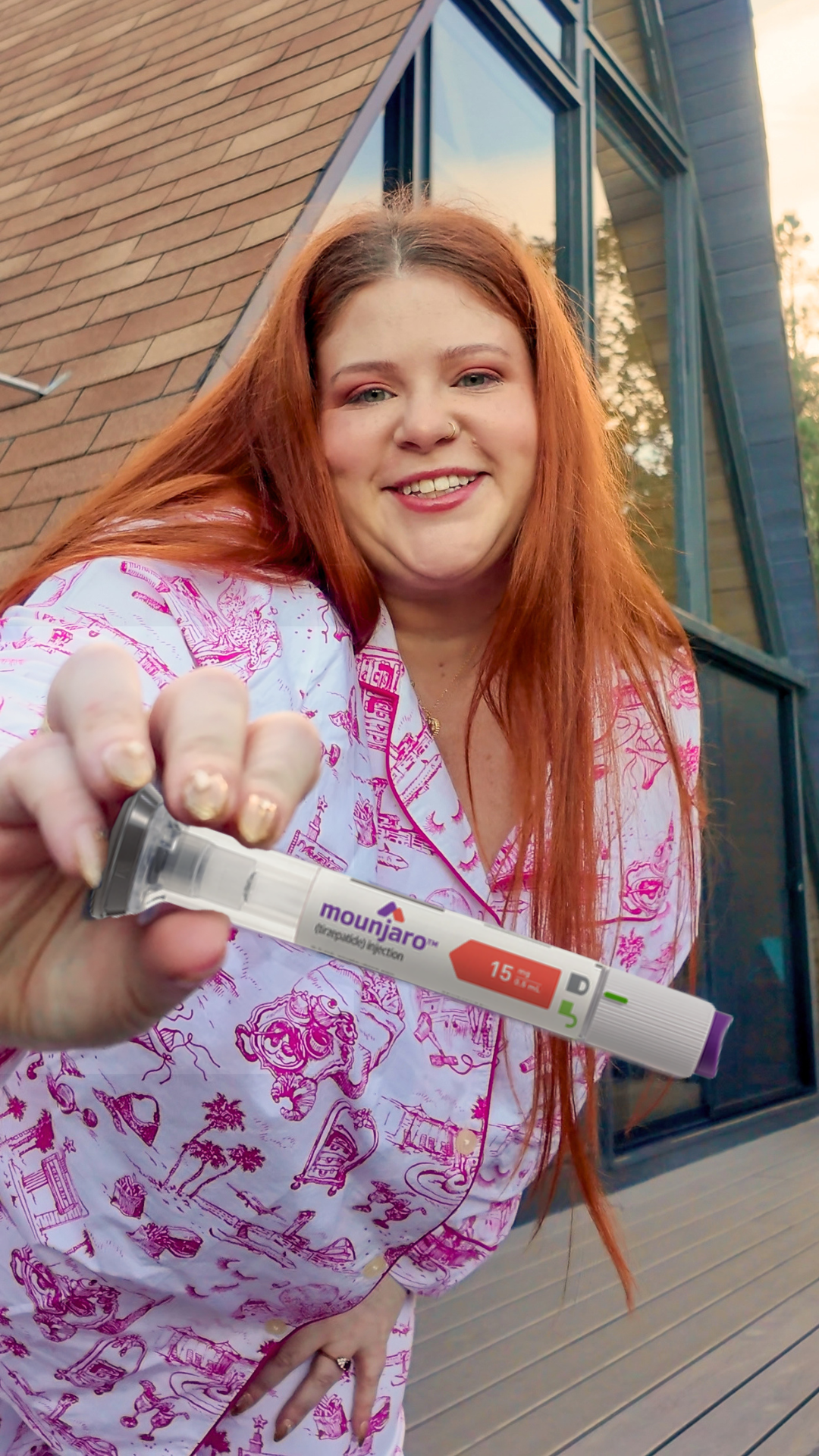
Somewhere in the last two years, it became a punchline. Body positivity was a scam. Nobody ever really loved their body. The second a shot came along, everyone lined up, so clearly the whole thing was performance.
I want to take that seriously for a second, because underneath the joke is a real misunderstanding of what the movement ever claimed.
Body positivity was never a pledge to stay the same size forever. It was never a promise that no one would ever change their body or want to. It was a demand - for medical care that doesn't start and end with a scale, for clothes that exist in your size, for a seat on a plane, for the basic assumption of competence and dignity that thinner people get for free.
Those demands don't expire because someone filled a prescription.
Please note: Nothing in this post is meant as medical advice. Always consult with a professional for any health concerns.
If any of this hit close to home: the National Alliance for Eating Disorders runs a free helpline staffed by licensed clinicians at 1-866-662-1235.
Where Body Positivity Actually Came From
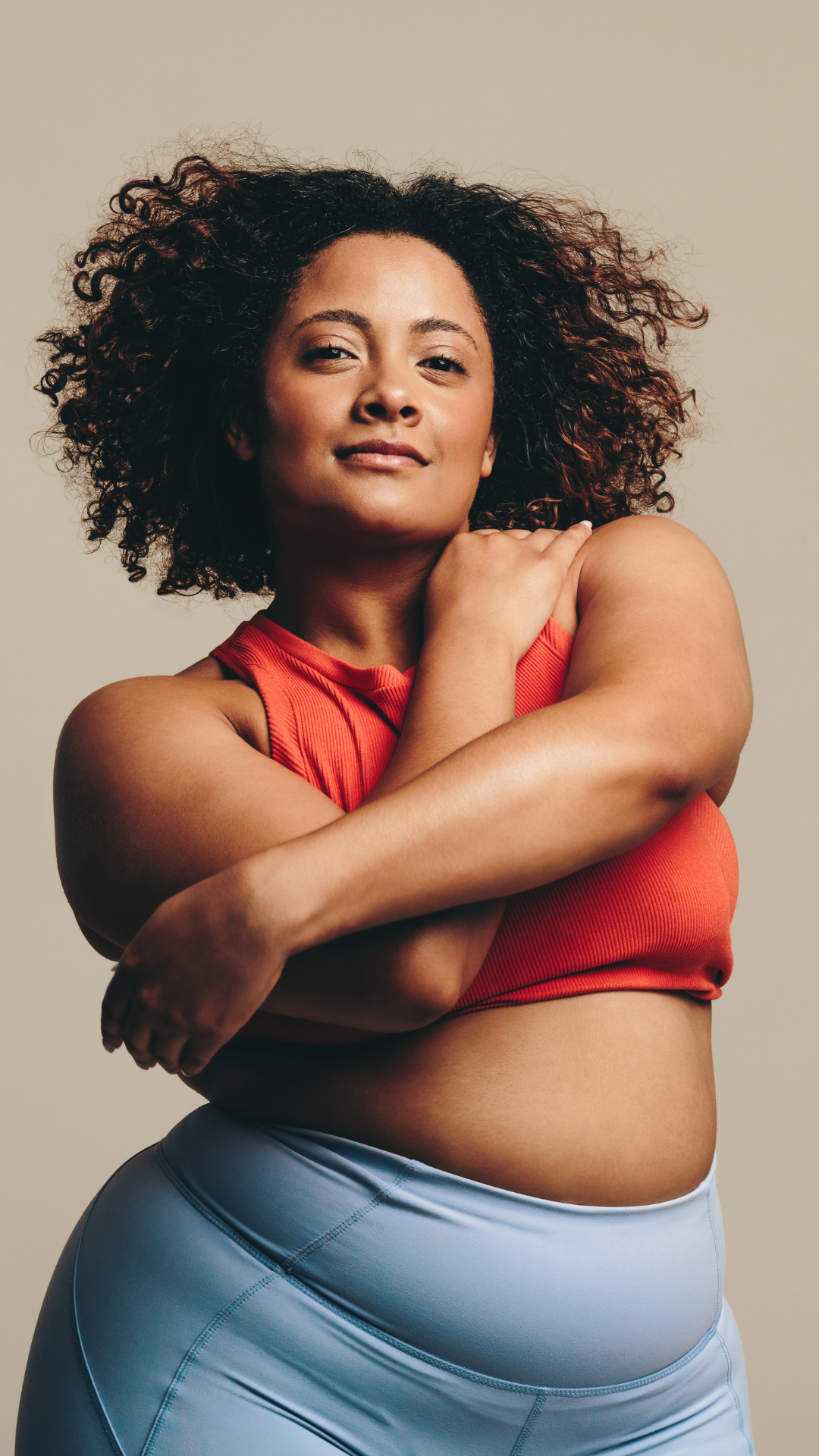
The version of body positivity most people know - the pastel infographics, the brand campaigns, the hashtag - is maybe ten years old. The thing it was built on is much older, and it came out of fat liberation organizing led largely by fat Black women and queer activists who were not asking to be told they were beautiful.
They were asking not to be fired. Not to be denied care. Not to be legally discriminated against.
Somewhere between there and here, a political demand got sanded down into a feeling. "Love your body" is a much easier thing to sell than "stop denying fat people healthcare," and so that's the version that got sold. Which is why it looks fragile now. A political movement doesn't collapse because individuals make personal medical decisions. A feelings-based marketing campaign does.
[further reading links]
GLP-1s and What We Actually Mean By "Health"
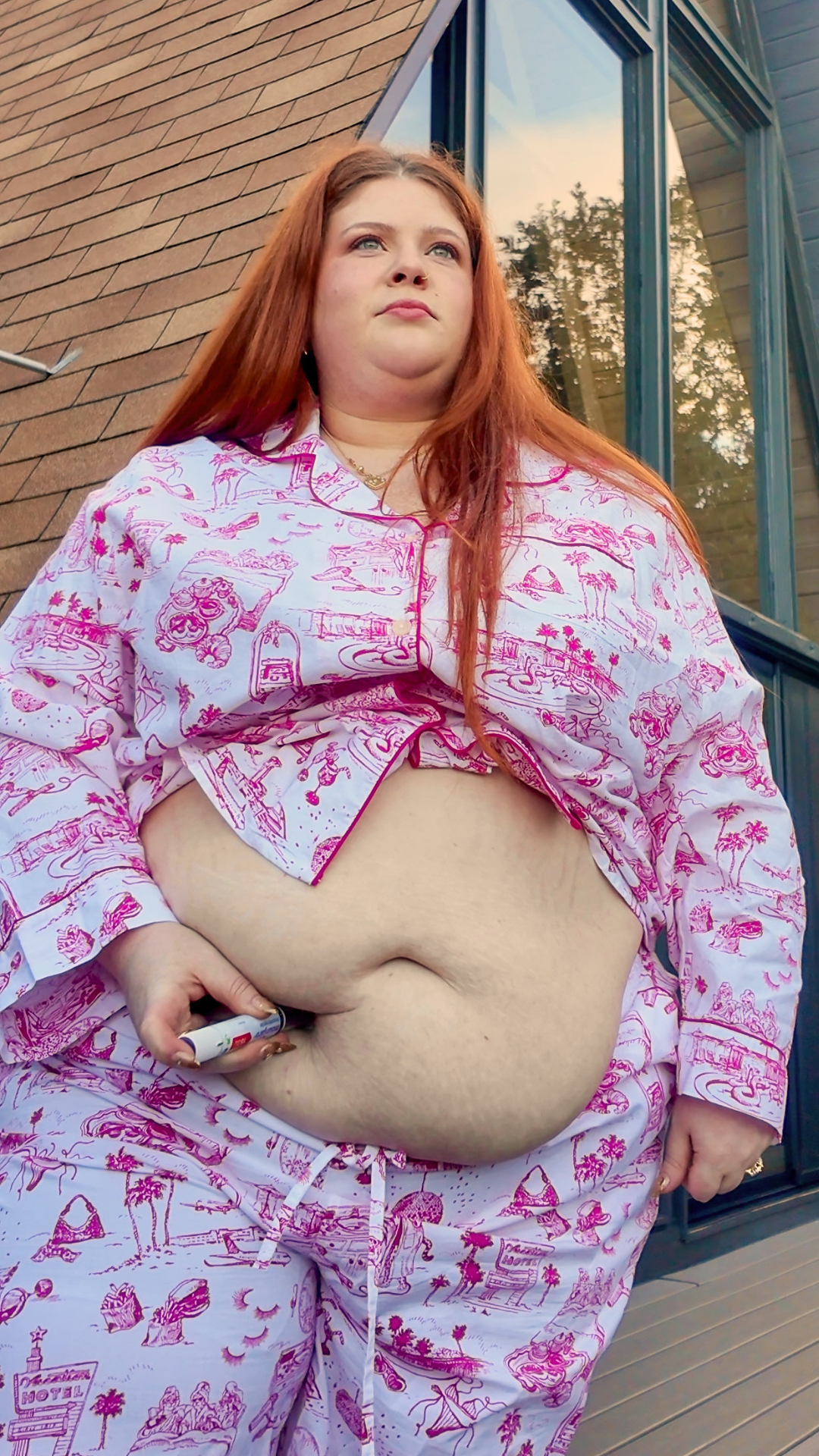
I'm not here to tell you whether to take one. That's a conversation between you and a doctor you trust, and if you don't have one of those, we'll get to that.
What I will say is that the discourse around these medications has been remarkably bad in both directions. On one side, people insist that any weight loss is automatically health improvement. On the other, people insist that taking one is a betrayal. Both positions require you to ignore actual individual people.
Some people take a GLP-1 and their bloodwork transforms. Some people take one and have side effects serious enough that they stop. Some people can't access one at all, because insurance decided their body wasn't the right kind of unwell. None of that tells you anything about whether fat people deserve respect, because those were never the same question.
The trap is letting "health" do work it was never meant to do. Health is not a moral status. It's not a prerequisite for dignity. And it's definitely not something a stranger can assess by looking at you in a grocery store.
The Plus Size Clothing Collapse
Here's the part that gets less attention and affects more people day to day.
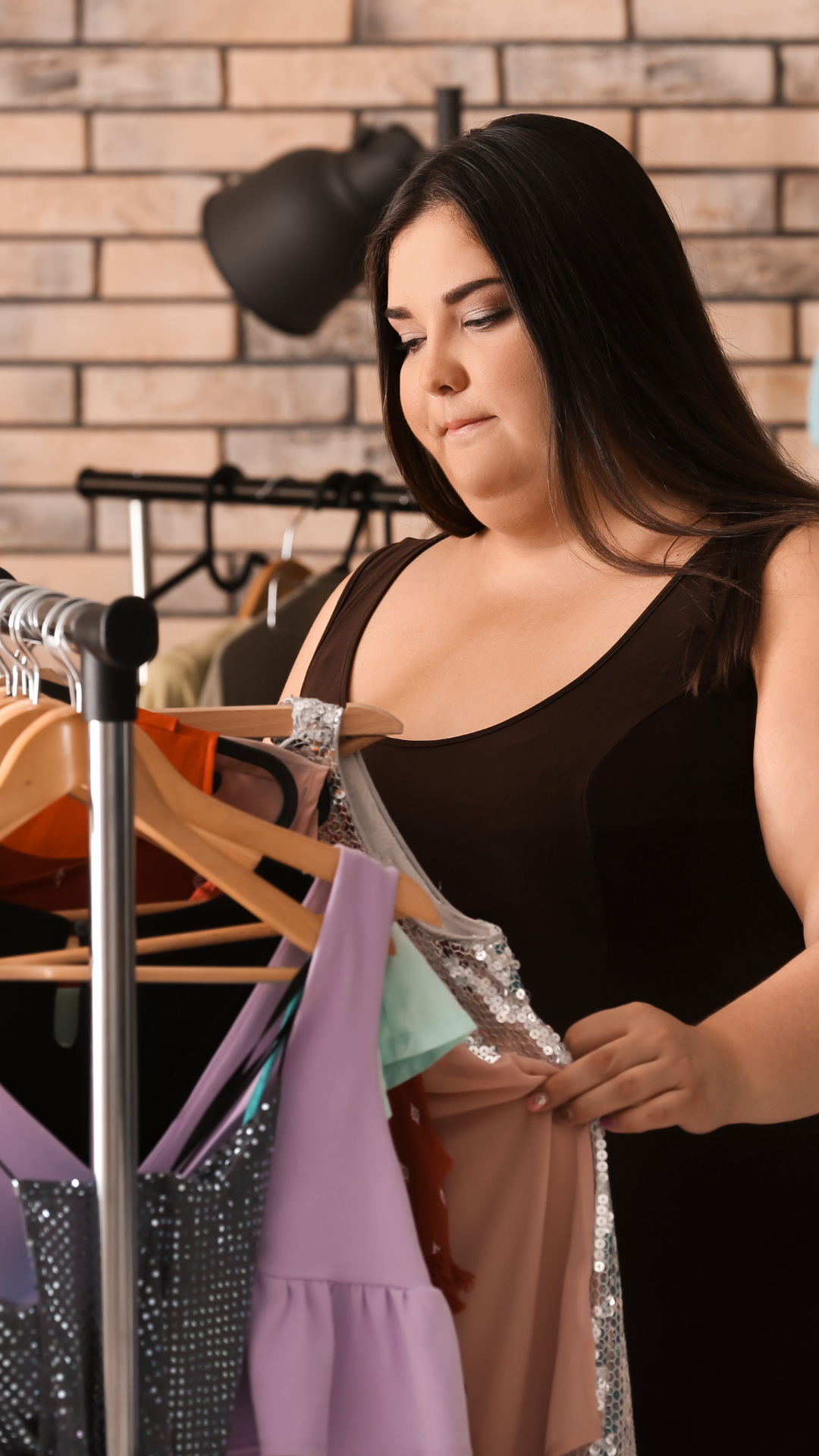
While the cultural conversation was busy asking whether body positivity was sincere, retailers were quietly pulling back. Extended sizing that expanded in 2018 and 2019 has been shrinking since. Brands that launched plus lines have discontinued them. Stores that carried larger sizes in person moved them online only, which is a polite way of saying you can't try anything on. Some retailers closed entirely.
[Insert: your specific list — which brands, which years, links]
The standard defense is that the sizes didn't sell. What that usually means is that a company stocked three styles in two colorways, put them in a corner of the website, never photographed them on a plus size model, and then concluded there was no demand.
Meanwhile, a majority of American women wear size 14 or above. [Insert source link.] The market is not small. The effort was.
And it's worth noticing the timing. Plus size availability shrank at exactly the moment a weight loss drug went mainstream. I'm not saying there's a boardroom where someone drew that conclusion out loud. I'm saying you don't need a conspiracy when an industry has always been looking for a reason.
When a Creator You Trusted Changes Their Body
This is the part people get defensive about, so let me be careful.
Anyone can do whatever they want with their body. That's the whole point. It's not a betrayal to make a medical decision, and nobody owes a stranger a particular size.
And also - it makes sense that it hurts.
If you followed someone because they made you feel less alone in a body like yours, and their body changes, and their content changes with it, you're not being unreasonable when that lands as loss. You didn't lose a friend, because they were never your friend. But you did lose a mirror. Those aren't the same thing and it's okay that one of them still stings.
The place it gets complicated is when the content pivots entirely - when an account built on plus size fashion becomes an account about getting smaller, and the audience that built it is still standing there. Nobody did anything wrong. It still feels like the door closed.
I've unfollowed people over this. Not out of anger. Just because their problems stopped being my problems, and mine stopped being theirs, and there's no rule saying you have to keep watching.
Finding Care That Doesn't Start With Your Weight
If you have been told to lose weight for a sore throat, you already know this section.
What actually helped me was being specific about what I wanted from an appointment before I walked into it. Not "I want to be healthier." Things like: I want to understand what this number on my labs means. I want to talk about this symptom without it becoming a conversation about my size. I want to know what you'd recommend for a thin patient with this exact complaint.
That last question is a useful one. It's polite, it's answerable, and the answer tells you a great deal about who you're dealing with.
Finding a provider who works this way is genuinely hard and I don't want to pretend otherwise. But it's worth knowing that "weight-inclusive" and "Health at Every Size informed" are searchable terms, and that they describe an actual clinical approach rather than a vibe.
If your medical professional still won’t take you seriously, always ask them to notate that in your records. At the very least they might listen to you if only to avoid being sued. Seriously.
The People Who Built a Career on This
There's a genre of content now that's just fat people being discussed by people who aren't. Reaction videos, commentary channels, whole accounts dedicated to explaining why body positivity is dangerous.
The question I keep coming back to is: what is this achieving?
If you genuinely believe fat people are unwell and you want to help, there are things you could do. You could advocate for universal healthcare. You could push for weight-inclusive medical training. You could fight for affordable food access. You could do literally anything other than make a video.
You don't do this to smokers. You don't approach people drinking at a bar. You've picked the one health behavior that's visible from across a room, and you've built an audience on it.
And here's the thing I'd want them to actually hear: the shame doesn't work. It never worked. The years I spent hating my body were not my healthiest years. They were the years I avoided doctors, avoided movement in public, and ate in ways I'm still untangling with professional help. Whatever the intended effect was, the actual effect was the opposite.
What I'm Prioritizing Now
I've stopped organizing my life around a number, and started organizing it around function. Can I walk further than I could last month. Do I have energy at 3pm. Are my labs where my doctor and I want them. Can I get through an airport without the day being ruined.
Those are things I can act on. A weight is a thing that happens to me.
I'd also like to be clear that wanting to feel better in your body and believing every body deserves respect are not in tension. You're allowed to pursue your health. You're allowed to take a medication. You're allowed to want to be stronger. None of that requires you to agree that fat people are a problem to be solved.
That's the whole argument, and it survives the GLP-1 era completely intact.
Watch the Full Video
Final Thoughts
I hope you enjoyed and learned from this blog about body positivity, fat bias and GLP-1s. If you’re looking for your next read consider these other posts:
Fatphobia, Fat Bias, and Why Shame Doesn't Work
Dry Skin Care Products You Need This Winter
Psoriasis Tips You’ve Never Heard Before
And lastly, if you’re struggling with body image or mental health, I want you to know:
It’s not your fault.
It’s not easy.
There is no quick fix.
But there is hope in community, research, and resilience.
Keep going. You are stronger, braver, and more beautiful than your struggles.