
Fatphobia, Fat Bias, and Why Shame Doesn't Work
This content is reader-supported, which means if you click on some of our links we may earn a commission. Thank you for your continued support.
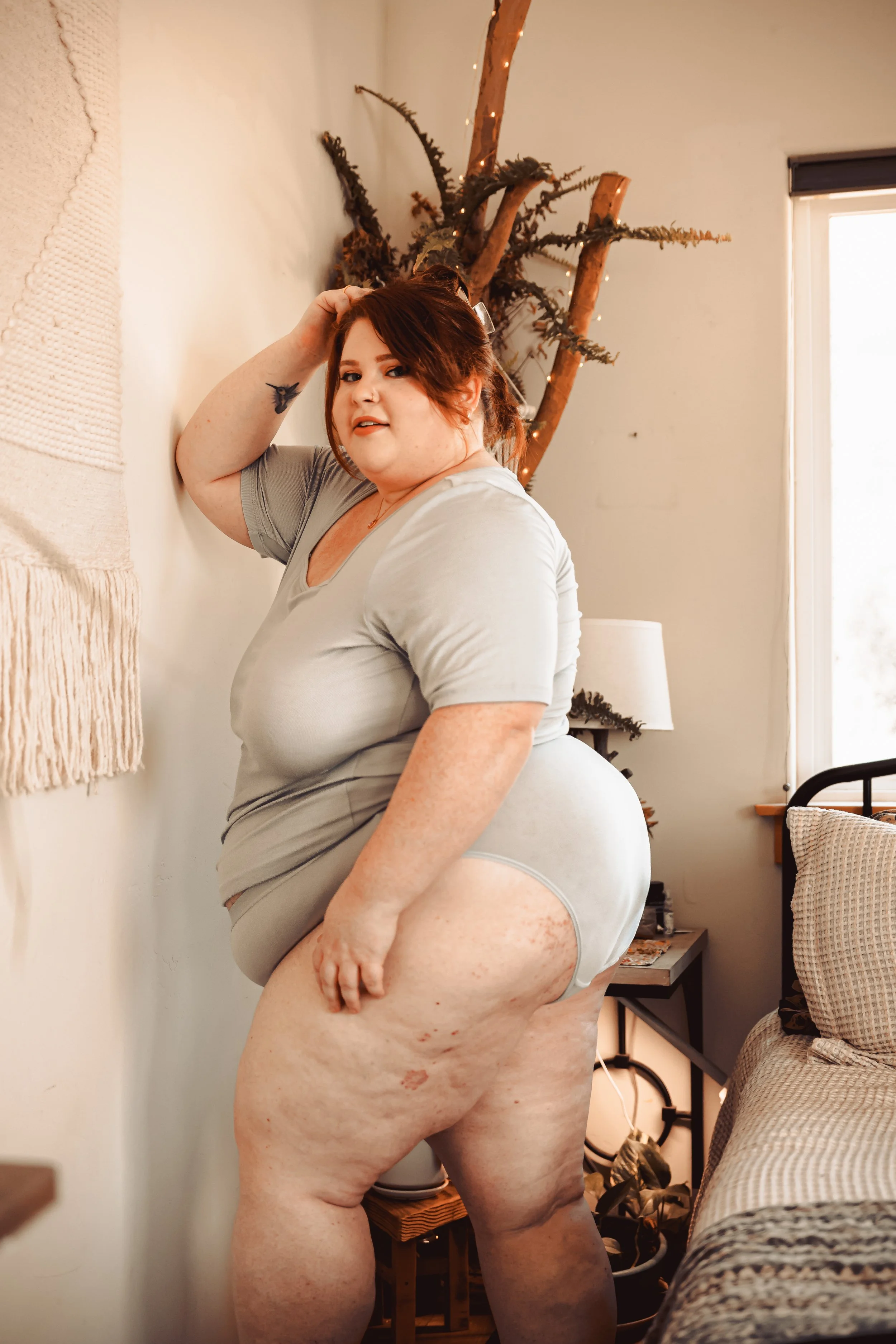
I recorded a video recently that started as a simple sick-day get ready with me and somehow turned into a much bigger conversation. I want to write it all out here too, because I think it's worth sitting with rather than just scrolling past.
Here's the belief system so many of us have absorbed without even realizing it: gluttony is a sin, which makes it immoral, which makes it bad, which means it should be shamed, and shaming is somehow righteous and virtuous. Follow that logic far enough and suddenly fat bias and fatphobia don't look like cruelty anymore. They look justified. They get repackaged as "concern for health," and no one has to feel bad about being unkind because they've convinced themselves they're doing a public service.
I want to unpack why that logic falls apart, because I think understanding it matters for anyone navigating fat bias, whether you're the one experiencing it or the one unknowingly perpetuating it. Stick with me friend, my thoughts might sound a little wild at first but if you keep an open mind we might end up agreeing on more than you thought!
Please note: This is not meant as medical advice. Always consult with a professional for any health concerns.
The Difference Between Health and Morality
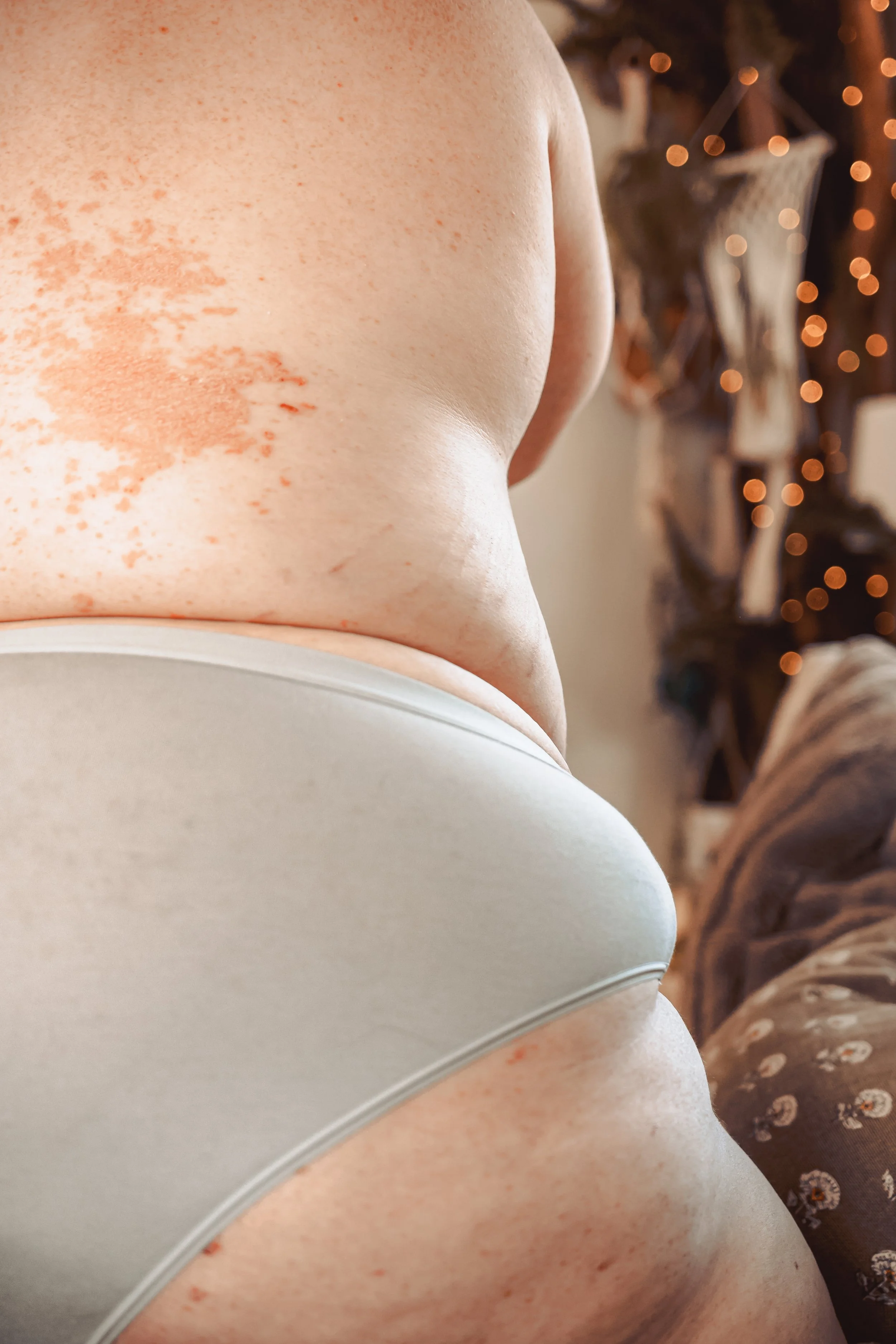
Here's where I think the conversation gets muddled constantly: health and morality are not the same thing, but our culture treats them as interchangeable. Thinness gets coded as good, healthy, and disciplined. Fatness gets coded as bad, unhealthy, and undisciplined. The problem is that this framing erases enormous amounts of nuance.
There's a real link between excess weight and certain health outcomes, and I'm not here to pretend otherwise. But there's also a massive range within "overweight" and "obese" categories where people are metabolically healthy, genetically predisposed to carry more weight, or dealing with conditions like lipedema that have nothing to do with willpower or choices. Meanwhile, the range between "thin" and "malnourished" is so much narrower than people realize, yet we rarely apply the same moral panic to disordered thinness that we apply to fatness.
Waist to hip ratio, metabolic markers, and actual medical data tell a more complicated story than "fat equals unhealthy, thin equals healthy." But nuance doesn't sell headlines, and it definitely doesn't justify cruelty as easily as a simple morality equation does.
Fat Bias in Medical Care Makes Things Worse, Not Better
This is the part that genuinely infuriates me. Fat bias in healthcare is well documented, and it's not a fringe experience. So many fat people have a story about going to the doctor for something completely unrelated to weight, whether it's a sprained ankle, a skin issue, or chronic pain, and being told to simply lose weight instead of receiving an actual diagnosis or treatment plan.
That's not concern for health. That's fat bias masquerading as medical advice, and it actively causes harm. People delay or avoid doctor visits entirely because they know what they'll be told regardless of why they came in. Conditions go undiagnosed. Health outcomes get worse. And then that worsened health gets used as further proof that fatness itself is the problem, when really the problem was inadequate care rooted in bias.

The GLP-1 "Cheat Code" Narrative
I use a GLP-1 medication to manage Type 2 Diabetes, and I've watched the discourse around these medications shift in real time. A lot of the resentment people express toward GLP-1 users comes down to this idea that we're accessing results without earning them the "right way," through suffering, restriction, and years of hard work.
I understand where that feeling comes from. If you spent years believing that thinness had to be earned through struggle, watching medication offer a shortcut can feel threatening to that belief system. But GLP-1 medications still require real behavior change, medical management, and ongoing care. They're a tool, not a cheat code. And more importantly, framing health as something that only counts if it was hard enough is its own kind of trap, one that kept me stuck in disordered eating patterns for years before I understood that health and suffering don't have to be linked.
Why Shame Has Never Actually Worked
Here's the question I keep coming back to: if shame worked as a motivator, wouldn't we all be thin by now? Fat bias is everywhere. Fat people are told constantly, explicitly and implicitly, that their bodies are unacceptable. If shame were an effective tool for behavior change, that constant cultural pressure should have solved obesity decades ago.
It hasn't, because that's not how shame works. Shame increases stress and cortisol, which actually worsens the exact health markers people claim to be worried about. Shame doesn't create the conditions for someone to make sustainable changes. It creates the conditions for disordered eating, avoidance, and worse mental health, which then makes physical health harder to manage too.
If someone's actual goal is public health, the data on shame as a motivator should matter. If the data doesn't change their approach, it's worth asking what their actual goal really is.
Who Benefits From the Status Quo
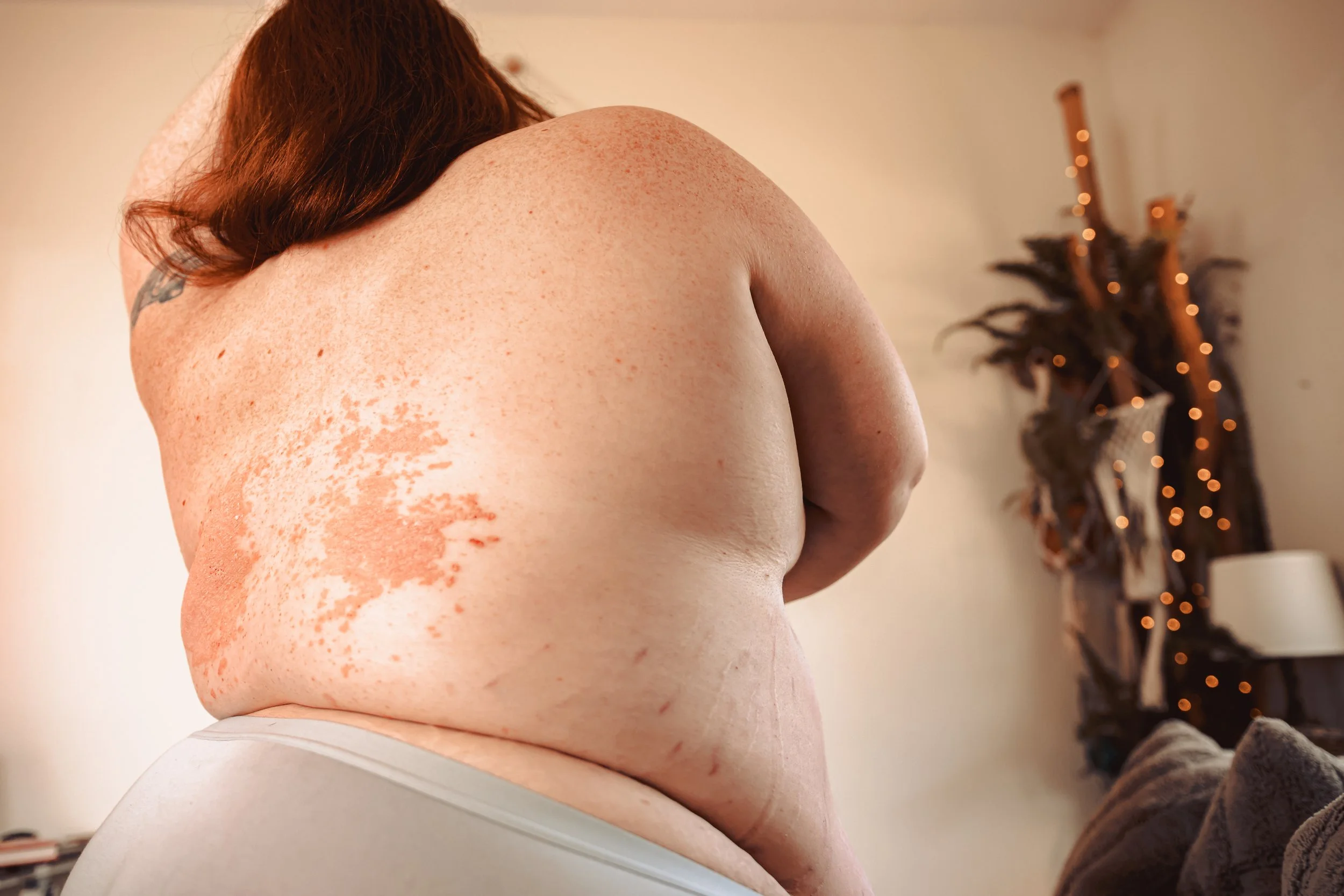
This is the part I think gets overlooked most often. Fatphobia isn't just a collection of individual bad attitudes floating around unattached to anything. It's deeply profitable for entire industries.
The fashion and beauty industries need thinness to remain an aspirational, somewhat unattainable standard, because elusive things are what people will pay premium prices to chase. If thinness became universally accessible, it would stop functioning as a status symbol, and the entire business model built around selling us the pursuit of it would collapse.
There's a similar dynamic at play in how weight loss gets marketed more broadly. An entire economy exists around the promise of achieving an ideal body, and that economy depends on people continuing to believe the ideal is both necessary and just out of reach.
None of this is a conspiracy theory. It's just how markets work. Scarcity and aspiration sell. A society that fully let go of fatphobia would disrupt a lot of very profitable systems, and profitable systems rarely dismantle themselves voluntarily.
What I'd Actually Want to Change
If I could wave a wand, the biggest shift I'd want is legislative. Body size should be a protected class, the same way race, religion, and disability status are protected in employment and housing. Right now, it's still completely legal in most places to discriminate against someone specifically because of their body size, whether that's in hiring decisions or insurance coverage.
Beyond legislation, I want more compassion and nuance in how we talk about bodies generally. Fat people deserve good medical care, comfortable public spaces, accessible clothing, and basic dignity, regardless of whether someone else has decided our bodies are our own fault. And even in cases where lifestyle factors genuinely do play a role, that still doesn't make cruelty an acceptable response.
Where This Leaves Us
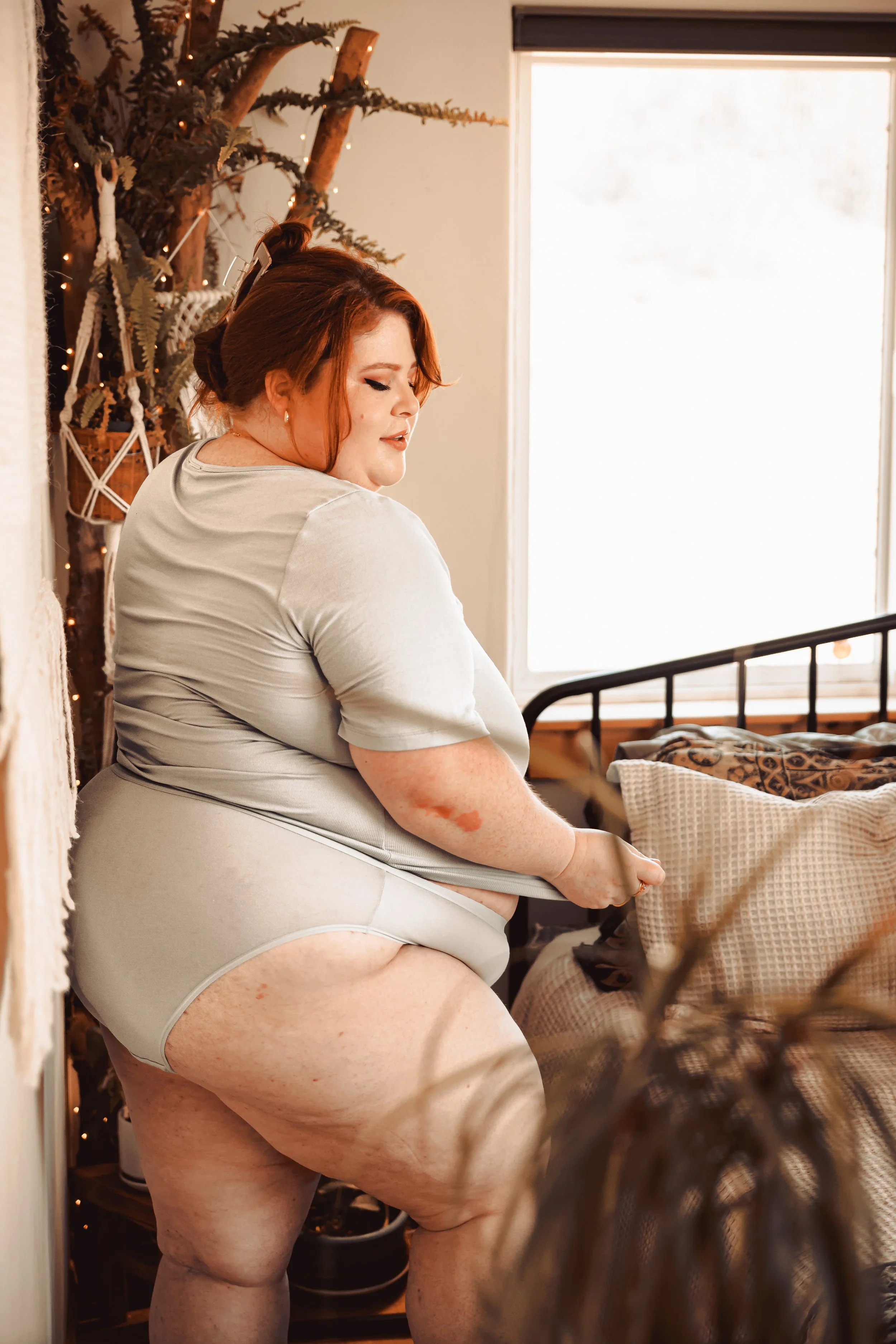
I don't have a tidy solution to offer here. What I do have is a genuine hope that we can hold more nuance and compassion than the current cultural narrative allows. Fatness isn't a moral failing. Thinness isn't a moral achievement. And shame has never been the tool for change that people want it to be.
If this resonated with you, I'd love to hear your thoughts. This is something I've been researching and reflecting on more and more, and I think it's a conversation worth continuing.
Books To Consider
These are just some of the books I have found helpful in my pursuit to unpack my own fat bias and understand how fatphobia started and affects us now:
Final Thoughts
I hope you enjoyed and learned from this blog about fatphobia, fat bias, GLP-1 stigma, and fat bias in healthcare. If you’re looking for your next read consider these other posts:
Living with Psoriasis: My Story, Struggles, and Treatments
Plus Size Travel Tips: Your Complete Guide to Comfortable & Confident Adventures
Plus Size Feminine Hygiene: The Ultimate Guide to Staying Fresh, Comfortable, and Confident
And lastly, if you’re struggling with body image or mental health, I want you to know:
It’s not your fault.
It’s not easy.
There is no quick fix.
But there is hope in community, research, and resilience.
Keep going. You are stronger, braver, and more beautiful than your struggles.